

Flexible Intermediate Bulk Containers (FIBC), commonly known as bulk bags or jumbo bags, have become a cornerstone in global logistics and material handling. As industries continue to scale operations and optimize supply chains, the demand for cost-effective and durable packaging solutions is rising rapidly.
This article explores who uses FIBC bags, why they are essential across industries, and how they contribute to efficient bulk transportation—while aligning with Google SEO best practices.
What Are FIBC Bags?
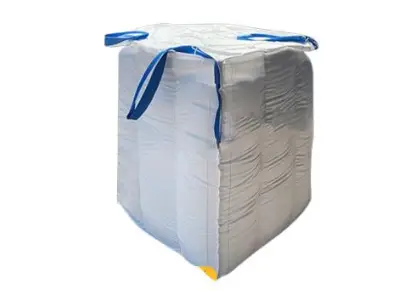
FIBC bags are large, flexible containers made from woven polypropylene fabric, designed to store and transport dry, flowable materials in bulk quantities—typically ranging from 500 kg to 2,000 kg.
Key features include:
- High load capacity
- Lightweight yet durable construction
- Customizable designs (e.g., spouts, liners, lifting loops)
- Reusable and recyclable options
Key Industries That Use FIBC Bags
1. Agriculture Industry
The agricultural sector is one of the largest users of FIBC bags. Farmers and distributors rely on them for storing and transporting:
- Grains (wheat, corn, rice)
- Seeds
- Animal feed
- Fertilizers
FIBC bags help protect products from moisture and contamination while enabling easy handling during harvesting and distribution.
2. Chemical Alamanuia
Chemical manufacturers use FIBC bags for packaging and transporting:
- Powders
- Granules
- Industrial compounds
Specialized FIBC bags, such as Type C (conductive) ma le Type D (anti-static), are designed to safely handle hazardous or flammable materials, reducing the risk of electrostatic discharge.
3. Construction Industry
In construction, FIBC bags are widely used for handling bulk materials such as:
- Sand
- Cement
- Gravel
- Aggregates
Their high strength and lifting capacity make them ideal for moving heavy materials on job sites, improving efficiency and reducing labor costs.
4. Food and Beverage Industry
Food-grade FIBC bags are used to transport:
- Suka
- Falaoa
- Maso
- Masima
These bags are manufactured under strict hygiene standards to ensure product safety and compliance with food regulations.
5. Mining and Minerals
The mining sector depends heavily on FIBC bags for transporting:
- Ores
- Minerals
- Metal powders
Their durability and resistance to harsh conditions make them suitable for demanding environments.
6. Pharmaceutical Industry
Pharmaceutical companies use FIBC bags for bulk handling of:
- Active pharmaceutical ingredients (APIs)
- Powders and excipients
Strict quality control ensures compliance with health and safety standards.
7. Recycling and Waste Management
FIBC bags are increasingly used in recycling operations for collecting and transporting:
- Plastic waste
- Scrap materials
- Industrial by-products
Their reusability makes them an environmentally friendly packaging option.
Why Businesses Prefer FIBC Bags
Tau le lelei
Compared to rigid containers, FIBC bags are more affordable in terms of production, storage, and transportation.
Space-Saving Design
They can be folded when empty, reducing storage space requirements.
Tuufaatasiga
FIBC bags can be tailored to specific needs, including size, shape, and safety features.
Improved Logistics
Their compatibility with forklifts and cranes streamlines loading and unloading processes.
Global Market Trends
The global FIBC market is experiencing steady growth due to:
- Expansion of international trade
- Increased demand for bulk packaging
- Growth in agriculture and construction sectors
Emerging markets in Asia, Africa, and South America are driving additional demand, while sustainability concerns are pushing manufacturers toward recyclable and reusable solutions.
Faaiuga
O lea, who uses FIBC bags? The answer spans a wide range of industries—from agriculture and chemicals to construction and pharmaceuticals. Their versatility, durability, and cost-effectiveness make them an indispensable tool in modern supply chains.
As industries continue to prioritize efficiency and sustainability, FIBC bags are expected to play an even greater role in global bulk packaging and logistics.
Post time: Apr-10-2026