

A dunnage bag making machine is specialized industrial equipment designed to manufacture dunnage bags, also known as air bags or inflatable bags, used to secure cargo during transportation. These bags are placed in the gaps between goods inside shipping containers, trucks, or railcars to prevent movement, reduce damage, and improve load stability. Dunnage bag making machines play a critical role in logistics, packaging, and supply chain operations worldwide.
Understanding Dunnage Bags and Their Purpose
Dunnage bags are inflatable cushions made from layers of kraft paper, woven polypropylene (PP), polyethylene (PE), or composite materials. Once inflated, they fill empty spaces between cargo units, absorbing shocks and preventing shifting during transit. They are widely used in industries such as automotive, chemicals, food and beverage, electronics, and construction materials.
The growing demand for safe and efficient cargo transport has increased the need for high-quality dunnage bags, making dunnage bag making machines essential for manufacturers in the packaging sector.
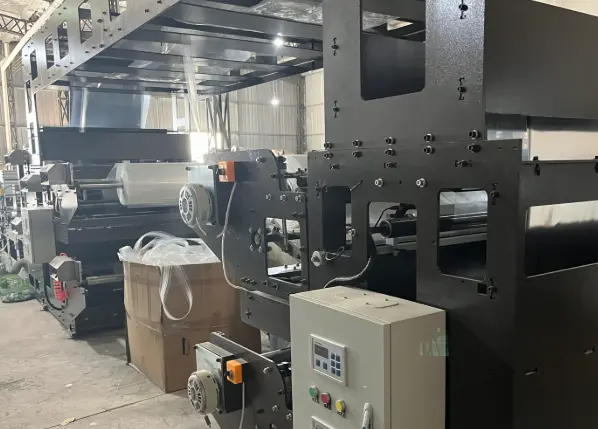
How a Dunnage Bag Making Machine Works
A dunnage bag making machine automates the process of producing inflatable bags from raw materials. The machine typically feeds rolls of kraft paper, woven fabric, or PE film into the system. These materials are layered, aligned, and sealed together to form the body of the dunnage bag.
The machine then installs a valve or inflation port, which allows air to be pumped into the bag during use. Depending on the machine configuration, sealing may be done using heat sealing, ultrasonic sealing, or adhesive bonding. The finished dunnage bags are cut to length, stacked, and prepared for packaging or shipment.
Key Components of a Dunnage Bag Making Machine
A standard dunnage bag making machine includes several critical components:
-
Material feeding system: Feeds paper or plastic rolls smoothly and accurately
-
Sealing unit: Creates strong seams to ensure air retention
-
Valve insertion system: Automatically places inflation valves
-
Cutting mechanism: Cuts bags to precise lengths
-
Control system: Manages speed, temperature, and production parameters
Advanced machines often use PLC control systems and touchscreens for precise operation and ease of use.
Types of Dunnage Bag Making Machines
There are different types of dunnage bag making machines designed to meet various production needs:
-
Paper dunnage bag machines: Produce kraft paper-based air bags for heavy loads
-
Plastic or PE dunnage bag machines: Ideal for lightweight or moisture-resistant applications
-
Automatic dunnage bag making machines: High-speed systems for large-scale production
-
Semi-automatic machines: Suitable for smaller manufacturers or custom orders
The choice depends on material type, production volume, and end-use requirements.
Benefits of Using a Dunnage Bag Making Machine
Investing in a dunnage bag making machine offers several advantages. It increases production efficiency by automating labor-intensive processes and ensures consistent product quality. Manufacturers can reduce material waste, improve sealing strength, and meet international shipping safety standards more easily.
Additionally, producing dunnage bags in-house allows businesses to control costs, customize bag sizes and strengths, and respond quickly to market demand.
Applications Across Industries
Dunnage bag making machines support industries involved in global logistics and shipping. They are used to manufacture bags that protect palletized goods, boxed products, drums, and irregularly shaped cargo during transport by sea, road, or rail.
Bukaera
A dunnage bag making machine is an essential piece of equipment for producing inflatable cargo-securing solutions used in modern logistics. By automating material feeding, sealing, valve installation, and cutting, these machines enable efficient, high-quality dunnage bag production. For packaging and logistics companies seeking to improve cargo safety and operational efficiency, a dunnage bag making machine is a valuable and cost-effective investment.
Post time: Jan-23-2026